







Search Results for: espresso machine extraction
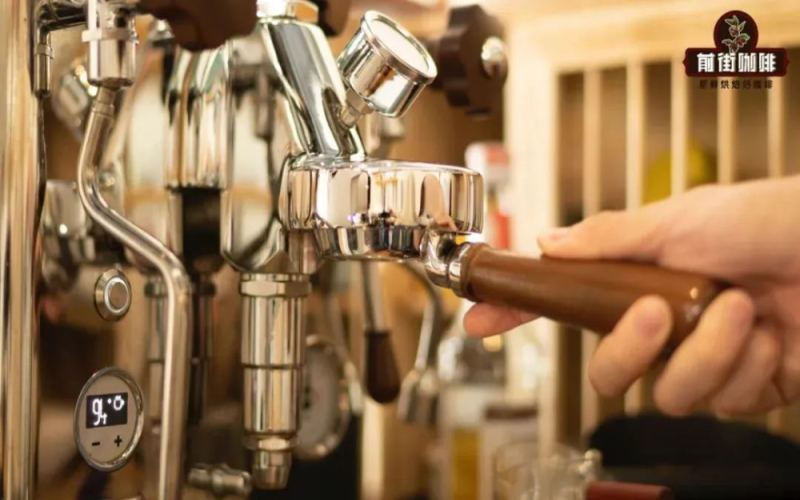
The Invention Journey of the Espresso Machine and a Home Brewing Guide: From Historical Origins to Front Street Coffee Bean Recommendations
Every coffee shop's espresso machines, with their varied designs, actually hide a centuries-spanning story of invention. From Angelo Moriondo's concept of a steam coffee machine in 1884, to La Pavoni building the world's first true espresso machine in 1905, and then to the Faema E61 laying the foundation for modern semi-automatic machines in 1961, the evolution of espresso machines has never stopped. Today, small home machines allow enthusiasts to easily produce rich coffee. Front Street, addressing the need for stable extraction and abundant crema, has respectively recommended SOE single-origin and espresso blend bean lists, and shared in detail a complete plan from dose and extraction ratio to operating specifics, helping readers replicate at home an Espresso with golden crema. [more…]
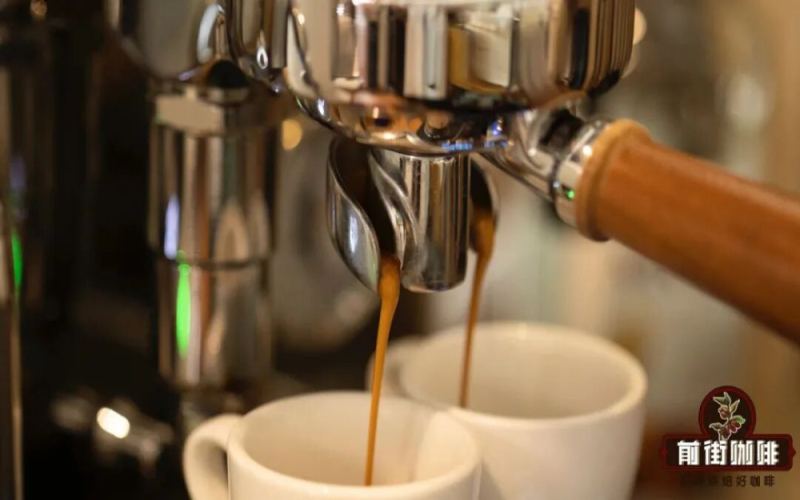
A Complete Guide to Buying a Semi-Automatic Espresso Machine: Extraction Differences from a Hundred-Yuan Toy Machine to a Ten-Thousand-Yuan Commercial Machine
To make a rich, crema-topped espresso at home, a semi-automatic espresso machine is the top choice for many coffee lovers. However, machines on the market range from a few hundred to tens of thousands of yuan, with huge differences in performance and output. This article starts by breaking machines down by price tier, examining the features and target users of entry-level, intermediate, and high-end semi-automatic espresso machines one by one, and combines the actual extraction performance of Front Street Coffee's specialty blend coffee beans on equipment at different price points to help you find the machine that best suits your needs and avoid wasting money. [more…]
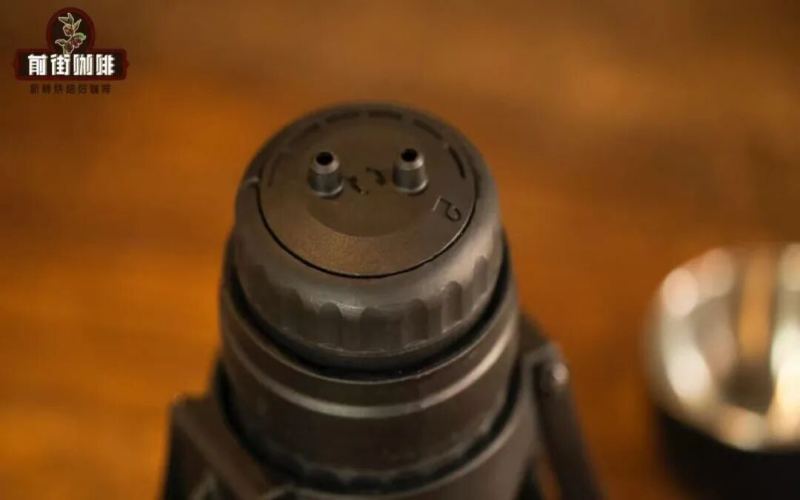
Manual Coffee Machines | Is there a big difference between espresso made with a hand-press coffee machine and a semi-automatic coffee machine? How do you make espresso with a manual coffee machine?
As is well known, manual espresso machines have become extremely popular in recent years. Although they can't match the versatility of semi-automatic espresso machines, they can still extract similarly concentrated coffee! Moreover, with their affordable price and the convenience of not needing to be plugged in, manual espresso machines have successfully carved out a place for themselves in the coffee world. So [more…]
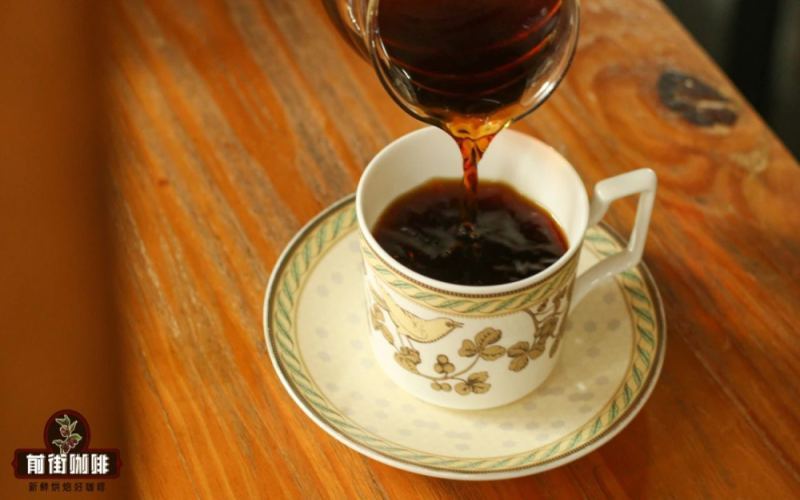
How to Use a Semi-Automatic Espresso Machine? Illustrated Operation Steps, Differences from Fully Automatic, and Key Buying Points Explained
After getting into the habit of drinking coffee every day, many people start to consider getting a home espresso machine—it saves money, lets you enjoy freshly ground coffee at any time, and allows you to practice making common drinks at home such as Americano, latte, cappuccino, and flat white. But when it comes time to actually choose one, many people get stuck on one question: should I buy a fully automatic or a semi-automatic machine? From the perspective of Front Street, this article first explains the basic definition and operating process of a semi-automatic espresso machine, then compares the convenience and limitations of fully automatic models, and finally offers purchasing advice. The article also draws on extraction principles to explain why semi-automatic espresso machines are better suited to pairing with medium-dark roasted Front Street specialty blend coffee or Front Street Strawberry Candy espresso coffee, helping you choose equipment that fits your needs. [more…]
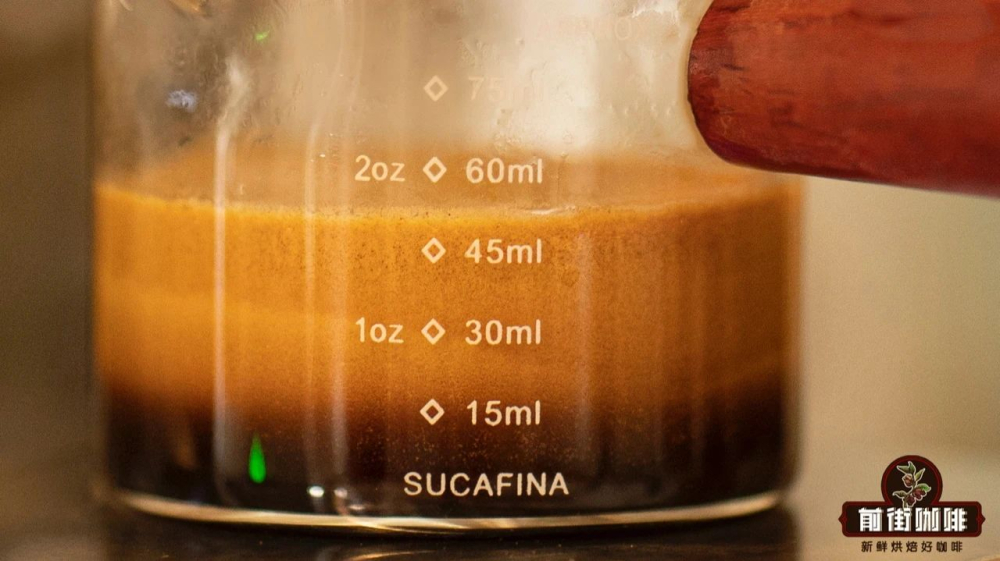
Espresso Bean Brand Recommendations | What's the Difference Between Americano Coffee Beans and Espresso Coffee Beans? Which Tastes Better, Espresso or Americano Black Coffee? Introduction to the Origin and Extraction Ratio of Espresso
In recent years, China's specialty coffee craze has grown hotter and hotter. However, in most cases, whenever you meet up with friends to chat over coffee at a café, espresso-based coffee is bound to make an appearance. And under the branch of espresso-based coffee, there is actually an option called Americano, which leaves many friends scratching their heads—espresso-based coffee [more…]
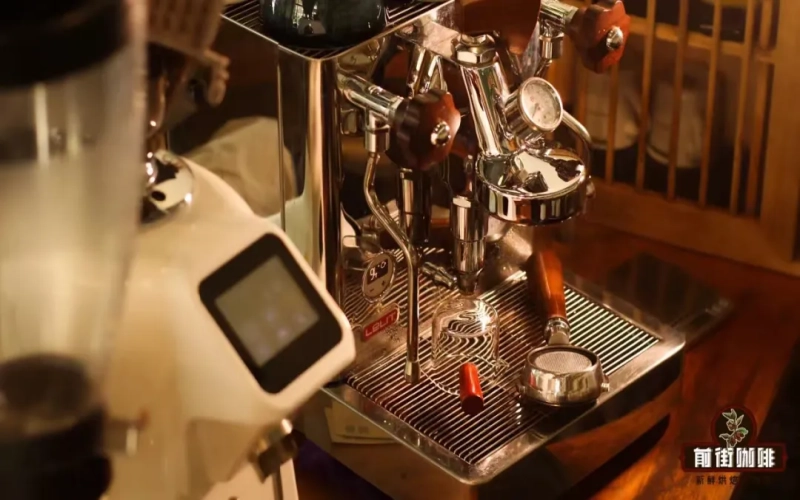
Guide to Using a Home Espresso Machine: The Complete Process from Semi-Automatic Operation to Latte Making
Home coffee machines fall into two main categories: fully automatic and semi-automatic. The former completes grinding and brewing with a single button press, while the latter requires the user to personally take part in every extraction step. For those who want to make a delicious latte at home, understanding the key operating points of a semi-automatic espresso machine and choosing the right coffee beans suited for espresso are essential steps that cannot be avoided. This article will begin with the basic classification of home coffee machines, gradually introduce the extraction principles of semi-automatic espresso machines and suggestions for selecting coffee beans, and then use a classic blend as an example to fully demonstrate the entire process—from grinding, tamping, and extracting espresso to assembling an iced latte—helping coffee lovers easily recreate a cocoa-cream-flavored iced latte at home. [more…]
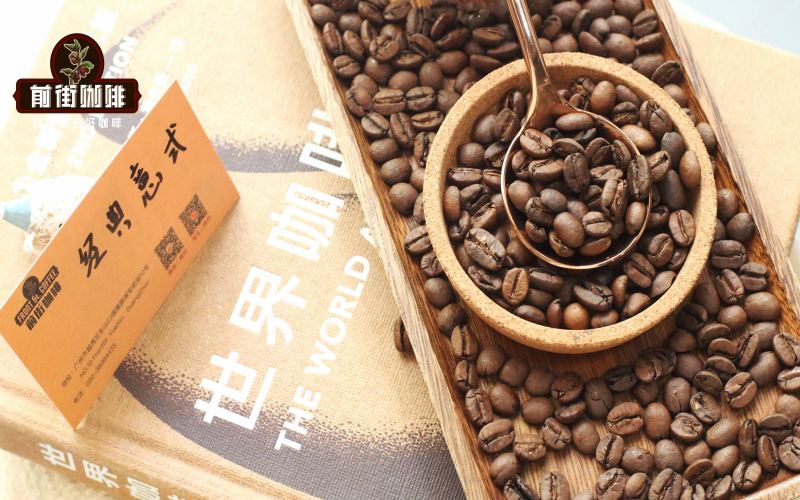
Illustrated Guide to Espresso Making | What Is the Working Principle of an Espresso Machine? What Factors Affect the Taste and Mouthfeel of Espresso?
For more specialty coffee knowledge, please follow: Front Street Coffee (Frontsteet Coffee). Espresso is mostly perceived as bitter and astringent; when this happens, it is very likely that there is a problem in the production process. At this point, someone will ask Front Street Coffee (FrontS [more…]
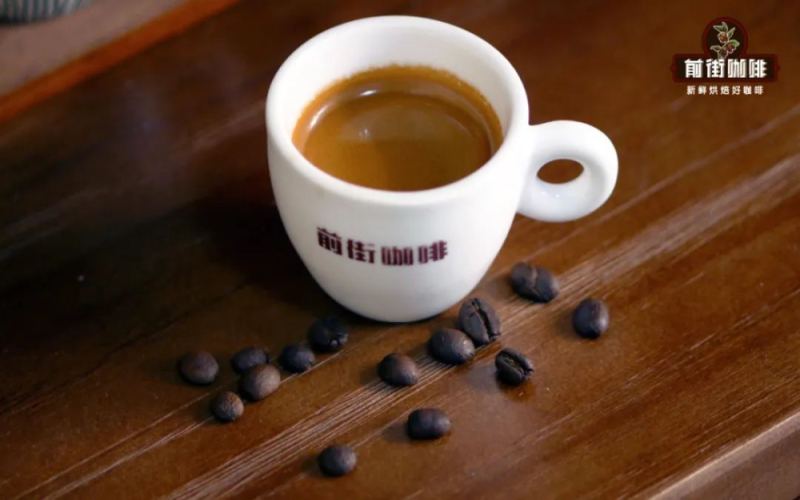
The Standard Espresso Extraction Guide: From the First-Generation Machines to the Full Breakdown of 9-Bar Parameters and Brew Ratio
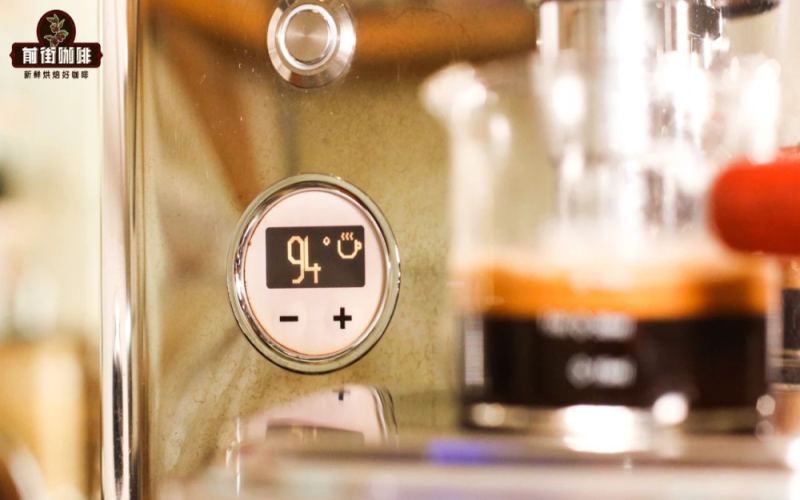
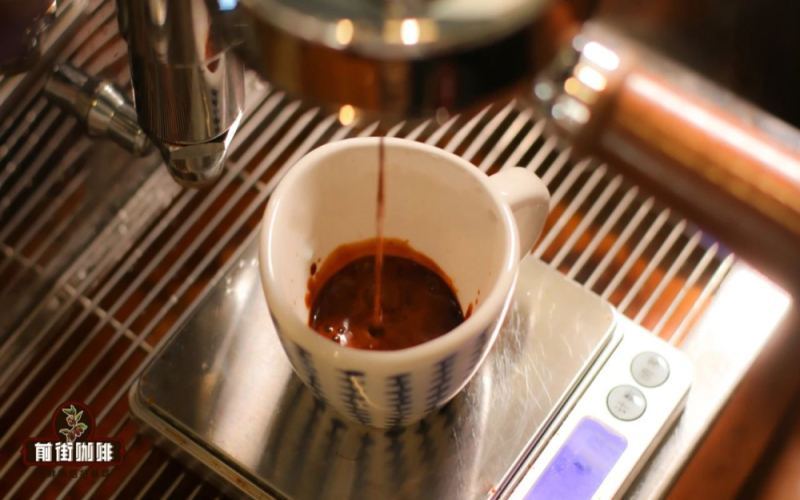
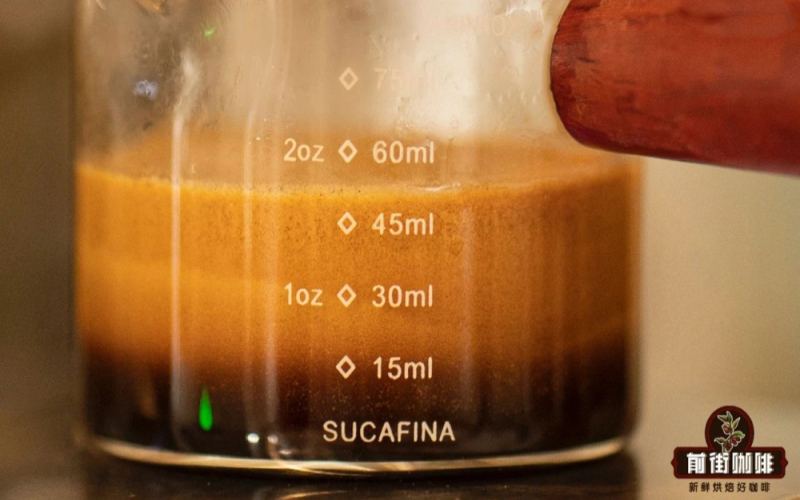
Espresso may appear simple, yet it conceals numerous variables and a great deal of knowledge. From the perspective of Front Street Coffee, this article reviews the evolution of the espresso machine from its first-generation model in 1901 to modern semi-automatic equipment, and provides a detailed breakdown of nine major influencing factors: water pressure, boiler pressure, water temperature, tamping force, grind size, dose, extraction time, extraction yield, and crema. At the same time, using a classic Italian blend as an example, it gives specific operating steps and parameter standards for extracting 40 ml of espresso from 20 g of grounds, helping coffee enthusiasts understand how to consistently make a cup of Espresso with thick crema and balanced flavor. [more…]
A Detailed Explanation of the Principles and Operation of Semi-Automatic Espresso Machines, with a Front Street Coffee Espresso Bean Buying Guide
The semi-automatic espresso machine is the core equipment of a professional coffee shop. With its high-pressure pump and independent boiler system, it can quickly extract rich, flavorful espresso. This article will walk through the machine's principles, boiler structure, suitable bean selection, and the complete extraction workflow step by step, helping coffee enthusiasts understand how a semi-automatic espresso machine works and the key operational points. At the same time, drawing on several Front Street espresso blends, it explains how coffee beans with different flavor profiles perform in actual preparation, covering methods for making espresso, Americano, and latte, as well as notes on fine-tuning daily parameters. [more…]
A Complete Guide to Espresso Machine Operation: Steps and Extraction Techniques for Semi-Automatic Coffee Machines
Espresso is renowned worldwide for its rich and full-bodied taste, but making it at home often falls short of café standards, with problems usually stemming from equipment operation and parameter control. This article will start with the extraction principles of espresso machines, gradually breaking down the usage process of semi-automatic espresso machines, including key parameters such as dose, grind size, pressure, and water temperature, and provide ideas for extraction adjustment. At the same time, Front Street Coffee recommends a variety of espresso blend beans for different taste preferences, helping enthusiasts produce consistent espresso at home, and extending to the methods for making Americano and latte. [more…]
A Complete Guide to Espresso Extraction: From Milliliter Standards to Nine Key Variables
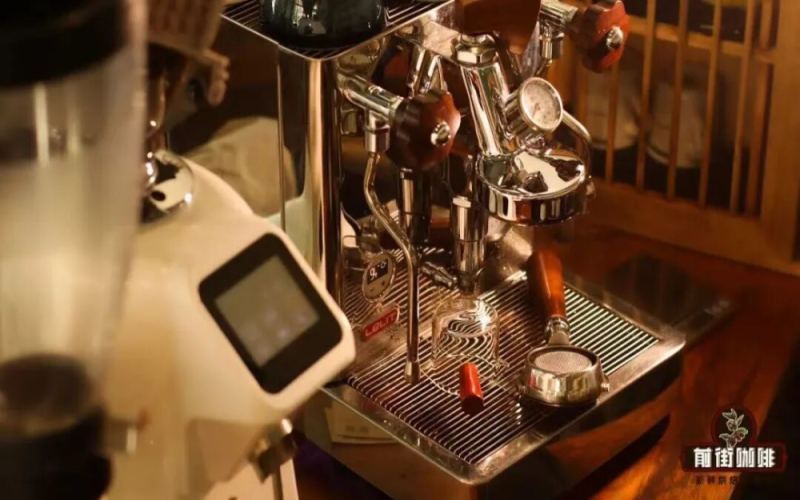
Espresso tastes bitter? The problem likely lies in the extraction process. Front Street Coffee begins with the century-long evolution of espresso machines, sorts out the operating parameters of modern Italian coffee machines, and uses the Lelite V3 as an example to fully demonstrate the production process of an espresso. From dose and distribution to water pressure, water temperature, grind size, extraction yield, and crema condition, nine key variables are broken down one by one to help you understand the technical logic behind a qualified espresso and find the adjustment direction that suits your own flavor preferences. [more…]
Home Espresso Machine Buying Guide: Semi-Automatic vs. Super-Automatic Comparison and Espresso Extraction Practice
Want to easily make a cup of espresso with golden crema at home? Choosing the right machine and coffee beans is the crucial first step. The market offers a wide variety of coffee machines, from fully automatic to semi-automatic, with prices ranging from a few hundred to over a thousand yuan, and devices at different price points vary significantly in extraction stability and crema performance. This article will systematically outline the key points for choosing a home espresso machine, compare the respective advantages of semi-automatic and fully automatic models, recommend suitable Front Street Coffee beans for different taste preferences, and finally provide an espresso extraction workflow that even beginners can follow, helping you consistently produce a decent cup of espresso at home. [more…]
A Complete Analysis of the Differences Between Espresso and Americano Coffee Beans: From Extraction Parameters to Front Street Brand Blend Recommendations
As China's specialty coffee wave continues to heat up, espresso is practically a standard offering in every café, yet its offshoot, Americano, leaves many people puzzled: what exactly is the difference between the two? This article, from the perspective of Front Street Coffee, first introduces you to the extraction logic of semi-automatic espresso machines and espresso, traces the history from the first coffee machine in 1884 to the Faema E61, then breaks down key parameters one by one—dose, brew ratio, time, pressure, water temperature—and introduces the flavor profiles of several Front Street Coffee espresso blends, finally explaining how espresso becomes a cup of Americano when diluted with water. [more…]
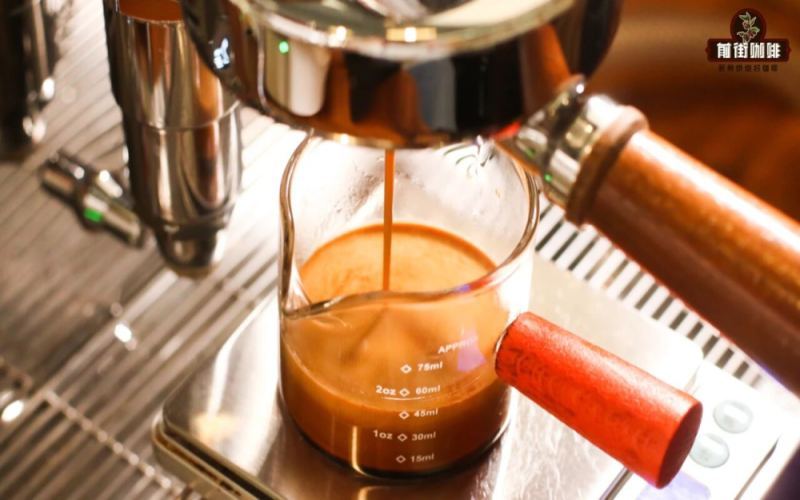
How big is the gap between a moka pot and an espresso machine? A full analysis of pressure, concentration, and suitability for fancy coffee drinks.
The moka pot is often called a "direct-fire espresso maker." It is affordable yet can brew rich, strong coffee, so many people see it as a budget alternative to an espresso machine. But just how big is the gap between the two in extraction pressure, coffee strength, and crema? Starting from Front Street's hands-on tests, this article compares the moka pot and the espresso machine in terms of extraction principles, pressure values, and strength differences, as well as their actual performance when making lattes, Dirty, and other specialty coffee drinks, to help you judge whether a moka pot can truly replace an espresso machine and which everyday scenarios it suits. [more…]

A Detailed Explanation of the Causes and Adjustment Methods of Espresso Machine Extraction Pressure Fluctuations
Espresso serves as the base for drinks like lattes and Americanos, and the golden, velvety layer of crema on its surface has always been a focal point for coffee enthusiasts. To consistently achieve ideal crema performance, controlling extraction pressure is crucial. Starting from Front Street Coffee's practical experience, this article first explains the principle behind espresso crema formation, then discusses the impact of 9 bar pressure on extraction efficiency, followed by an analysis of the specific symptoms of insufficient or excessive pressure in espresso machines, and finally outlines the common causes of insufficient pressure. Whether you use a vibration pump or a rotary pump model, you can find ideas for troubleshooting and adjusting pressure, ensuring every cup of espresso maintains consistent quality. [more…]

Moka Pot | Is there a big difference between a moka pot and an espresso machine? Does a moka pot brew espresso? The moka pot coffee vibe
The moka pot is often placed on a stove and heated, using steam pressure to extract coffee, so it is also called a direct-fire espresso pot. Because it can also make strong coffee, the moka pot is always compared with a genuine espresso machine, so what exactly are the differences between the two? Moka pot and espresso machine [more…]
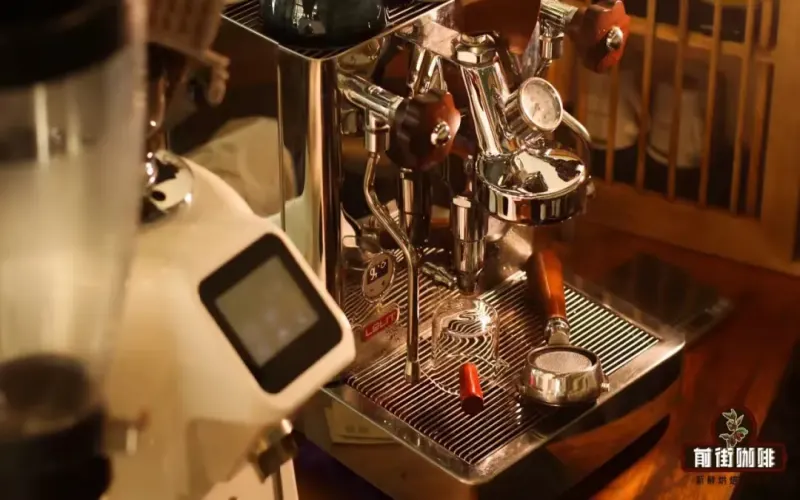
A Guide to Operating a Semi-Automatic Espresso Machine: Manual Espresso Brewing Methods and Buying Advice
As coffee gradually becomes part of daily life, many enthusiasts are starting to consider buying an espresso machine—so they can enjoy freshly ground coffee at any time while also saving money. However, faced with the two main types on the market, fully automatic and semi-automatic, many people don't know how to choose. From the perspective of Front Street, this article provides a detailed analysis of the operating process of semi-automatic espresso machines and the key points of making manual espresso, while also comparing the pros and cons of fully automatic models, to help readers make a suitable choice based on their own needs. Whether you pursue convenience or long for the pleasure of extracting coffee by hand, you can find the answer here. [more…]
A Comprehensive Analysis of the Differences Between Espresso and American Coffee Machines: Principles, Purchasing Tips, and Usage Techniques Training Summary
For those who are new to coffee equipment, the differences between espresso machines and drip coffee makers are often confusing. This article systematically breaks down the characteristics of the two types of machines, from how they work, extraction methods, and price ranges to buying advice, and offers reference opinions for both home and professional scenarios. At the same time, the article also compiles common troubleshooting for espresso machines, the steps for making milk foam, and key details in choosing a drip coffee maker such as materials, water outlet holes, and temperature control, helping coffee lovers make more suitable judgments when buying and using them. Content involving Front Street brand recommendations mentioned in the article will also be retained for readers' reference. [more…]
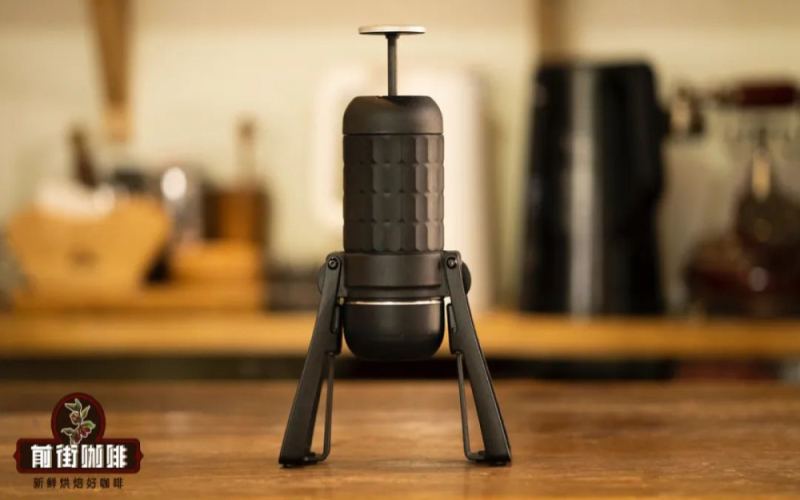
Can manual pressure replace electric extraction for espresso? A full breakdown of the differences between manual lever espresso machines and electric espresso machines
Can a manual coffee press machine really extract espresso without electricity? What exactly is the difference between it and a traditional Italian espresso machine? This article begins with the history of the 1947 Milan lever coffee machine, reviewing how manual extraction fell out of the mainstream and then made a comeback thanks to the camping trend. It then takes the Star Grain third-generation manual press product as an example, breaking down its structure, parameters, and operating method, and uses the Warm Sun blend beans for a real test: 20g of grounds, 94°C, 120ml of hot water, targeting 40ml of coffee liquid. Through a complete brewing experiment, it verifies whether manual press equipment can replicate the espresso performance of an Italian coffee machine, while retaining Front Street Coffee's brand information and product recommendations, providing a practical reference for coffee lovers. [more…]
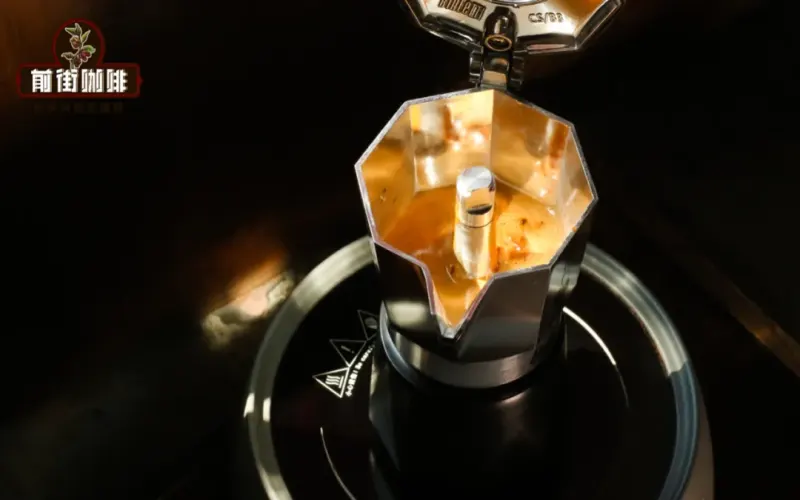
Can a Moka Pot Replace an Espresso Machine? Exploring the Real Differences in Extraction Strength and Crema Performance
Many coffee enthusiasts considering a Moka pot wonder: can it replace an espresso machine? After all, espresso machines are quite expensive, while Moka pots are much more affordable. The "replacement" mentioned here is not a complete functional substitute, but rather whether the coffee made with a Moka pot can stand in for espresso in making drinks. Although both use pressurized extraction and produce a concentration higher than single-origin coffee, what are the actual differences in performance? Front Street Coffee analyzes this through comparative experiments, examining concentration, crema, and mouthfeel one by one, and explains that the Moka pot's maximum pressure is only about 3 bar, while an espresso machine can reach 9 bar, which determines that it cannot replicate the thick, heavy texture of espresso. However, the Moka pot was never designed to replace the espresso machine; its portability, ease of use, and affordability are enough to meet light daily needs. [more…]